Sustainable Cleaning Effective Use of Natural Products for Efficiency
In today’s world, where environmental consciousness is more important than ever, homeowners are seeking ways to maintain a clean space without compromising the planet. Sustainable cleaning techniques offer a powerful solution, leveraging natural products that are both effective and eco-friendly. This shift not only promotes a healthier living environment but also supports a sustainable lifestyle.
As we navigate the myriad of cleaning options available, it becomes essential to understand the benefits of using natural ingredients. Non-toxic substances like vinegar, baking soda, and essential oils can perform just as well, if not better, than their chemical-laden counterparts. Transitioning to these alternatives can lead to:
- Reduced chemical exposure
- Lower environmental impact
- Cost savings over time
In this article, we will explore the Top 5 techniques for effective sustainable cleaning using natural products. Get ready to discover efficient methods that enhance your cleaning routine while also caring for the Earth.
Top 5 Sustainable Cleaning Techniques: How to Use Natural Products for Efficient Cleaning
In today’s environmentally conscious world, the call for sustainable cleaning practices is stronger than ever. These practices not only contribute to a cleaner planet but also enhance our overall well-being by promoting healthier living environments. This article delves into the top 5 techniques that leverage natural products to ensure your cleaning efforts are both effective and eco-friendly. These methods are designed to inspire and encourage a shift from traditional cleaning agents to natural alternatives, bringing a refreshing change to your household chores.
5. Embrace the Power of Vinegar
Vinegar, particularly white vinegar, has been a cornerstone in household cleaning for countless generations. Its remarkable cleaning properties are attributed to its natural acidity, which effectively tackles bacteria, mold, and dirt. When diluted with water—typically in equal parts—it becomes a formidable ally against grime on glass, countertops, and bathroom surfaces.
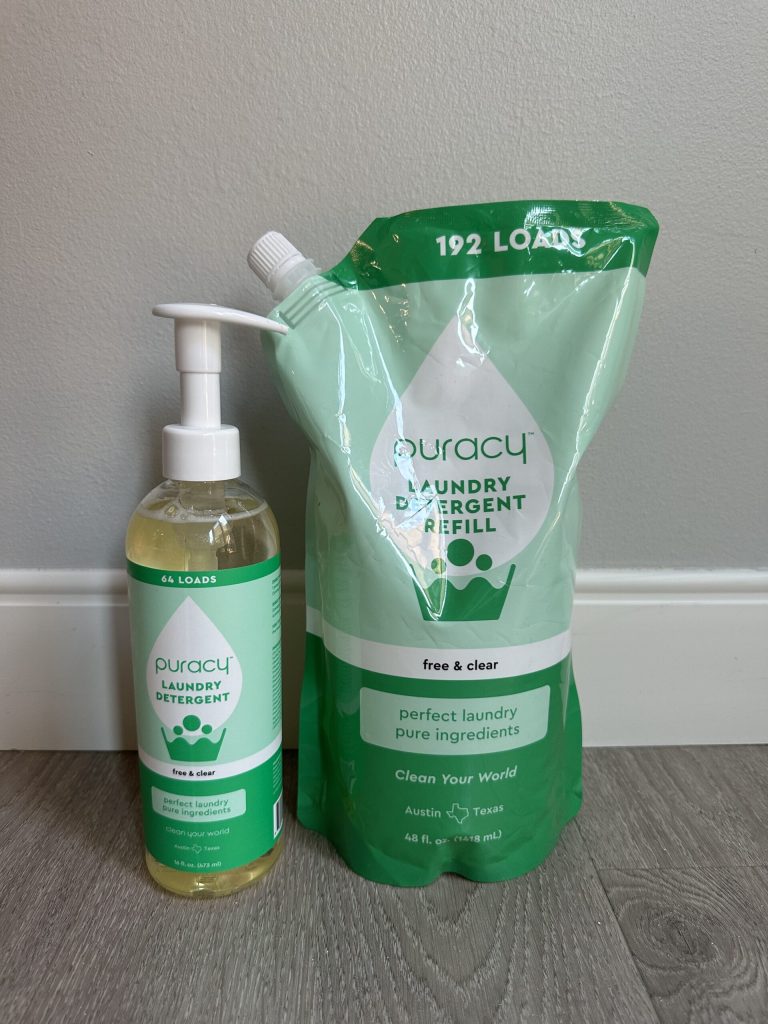
An example of vinegar’s versatility includes its use in laundry; adding a cup during the rinse cycle can help remove detergent residues and naturally soften fabrics, all without the synthetic chemicals found in store-bought softeners. However, it’s important to be cautious with its use on natural stones like granite and marble, where its acidity might cause etching or dullness. The breadth of vinegar’s applications in sustainable cleaning makes it a top choice for those committed to eco-friendly practices.
4. Harness the Strength of Baking Soda
Baking soda, known technically as sodium bicarbonate, is widely celebrated for its versatility and gentle abrasive qualities. This common kitchen staple excels at tackling stubborn stains, neutralizing odors, and even fulfilling roles traditionally assigned to specialized cleaning agents.
For instance, one can easily remove burnt food residue from ovens by creating a baking soda paste with a little water, applying it to affected areas, and allowing it to sit overnight before wiping it away. The paste’s abrasiveness helps lift the residues without scratching surfaces. Additionally, by combining baking soda with vinegar, users can generate a fizzy reaction that’s perfect for unclogging slow drains, providing a safer alternative to caustic chemical drain openers.
In terms of odor management, a simple yet effective method is sprinkling baking soda on carpets or upholstery items, letting it sit for a few hours, and then vacuuming it away to refresh the fabrics. Such versatility places baking soda as a vital component in the arsenal of sustainable cleaning techniques.
3. The Magic of Essential Oils
Essential oils are potent plant extracts known for their powerful fragrances and antimicrobial properties. These concentrated oils, derived from plants like lavender, lemon, and tea tree, are perfect for enhancing clean spaces while offering additional antibacterial benefits to your natural cleaning solutions.
Tea tree oil, revered for its ability to neutralize germs and odors, can be combined with vinegar and water to create a strong, natural disinfectant. To make your own aromatic all-purpose cleaner, you might mix equal parts water and vinegar and add several drops of an essential oil of your choice. The result is not only a cleaner that effectively sanitizes but also one that leaves a refreshing scent lingering effortlessly in the air.
Moreover, the fragrances provided by essential oils help mask the pungent smell of vinegar, making DIY cleaners more pleasant to use. These oils add a personal touch to homemade cleaners, strengthening their appeal among those seeking natural and ecologically conscious solutions.
2. Go Green with Olive Oil
Typically associated with culinary uses, olive oil’s cleaning capabilities are lesser-known but highly effective, especially for tasks like polishing wooden surfaces. Acting as a natural moisturizer and polish, olive oil can revive dull wood and restore its natural luster without the use of synthetic, toxin-laden products.
A popular formula for wood furniture care involves blending olive oil with lemon juice—usually in a two-to-one ratio. This combination is gently applied using a soft cloth, leaving wood surfaces glossy and replenished. Beyond wood care, olive oil is a handy lubricant for squeaky door hinges and other mechanisms that require a non-toxic, touch-safe lubricant.
While its application in cleaning is specific primarily to non-porous surfaces, olive oil’s eco-friendly nature and safety for households with children and pets make it a worthy addition to sustainable cleaning practices, facilitating an efficient and conscientious care regime for various household items.
1. Create Your Own Natural Cleaning Products
The apex of sustainable cleaning practices is the empowering act of crafting your own cleaning products. This approach allows you to tailor solutions to your specific cleaning needs while ensuring the ingredients used are all-natural and safe for both household occupants and the environment.
The practice of creating these products not only supports eco-friendliness by reducing dependency on commercially packaged goods but also advances personal well-being by knowing precisely what goes into the cleaning agents used in your home. By combining ingredients like vinegar, baking soda, olive oil, and essential oils, you can devise a customized, comprehensive cleaning kit.
Here are a few simple DIY recipes to get you started:
- All-Purpose Cleaner: Mix equal parts white vinegar and water, enhance with essential oils like lavender or lemon.
- Glass Cleaner: Combine equal parts vinegar and water in a spray bottle for effective window and glass cleaning.
- Scrubbing Paste: Create a thick paste with baking soda and water; it’s perfect for stubborn stains on stovetops and other hard surfaces.
These simple yet effective recipes symbolize the potential for self-sufficiency in addressing everyday cleaning challenges, allowing you to maintain a pristine home while being mindful of the global environment.
By integrating these sustainable techniques into your cleaning routine, you are not only embracing greener practices but are contributing proactively to the well-being of our planet. Start small by adopting one technique at a time, and you may quickly find that your efforts have a broader impact than anticipated.
| Category | Details |
|---|---|
| Natural Cleaning Agents | Common products include vinegar, baking soda, and citrus juices. These ingredients not only effectively clean various surfaces but also eliminate odors and bacteria without harmful chemicals. |
| Eco-Friendly Equipment | Utilizing tools made from bamboo or recycled materials minimizes waste. Items like washable microfiber cloths reduce the reliance on disposable products. |
| Health Benefits | Using natural cleaning products helps avoid exposure to harmful chemicals, potentially reducing allergies and respiratory issues. This is especially crucial for families with children or pets. |
| Cost-Effective Solutions | Many natural cleaning products can be made at home with ingredients that are inexpensive and commonly found in most kitchens, leading to significant savings over time compared to commercial cleaners. |
Exploring the realm of natural cleaning opens doors to innovative techniques that are both sustainable and efficient. As awareness grows regarding the impact of standard cleaning products on health and the environment, turning towards natural alternatives becomes not only a wise choice but a necessary shift in our cleaning habits.Natural cleaning agents like vinegar and baking soda work wonders due to their chemical properties. Vinegar possesses strong antibacterial qualities and can cut through grime, while baking soda acts as an effective abrasive cleaner. Incorporating citrus juices into cleaning routines not only lends a refreshing scent but also enhances the cleaning power against stains.In addition, it is essential to consider the tools we use for cleaning. Eco-friendly equipment made from sustainable materials can further reduce our environmental footprint. Bamboo brushes and recycled plastic scrubbers are excellent alternatives to traditional tools, minimizing plastic waste and promoting sustainable practices. By using washable microfiber cloths rather than disposables, households can significantly reduce waste and costs associated with cleaning.Health considerations are paramount when choosing cleaning products. Conventional cleaners often contain numerous chemicals that can trigger allergies, respiratory problems, or other health issues. By selecting natural alternatives, families can maintain a healthier indoor environment. This is particularly vital for those with children and pets who may be more sensitive to the ingredients found in commercial cleaners.Lastly, taking a closer look at the financial aspect reveals that natural cleaning solutions can be remarkably cost-effective. Many items typically found in the kitchen serve as powerful cleaning agents. The reality that these simple ingredients not only outperform commercial products in terms of efficacy but also in affordability makes transitioning to a natural cleaning routine a compelling choice for many households. By embracing these sustainable cleaning methods, we can foster a healthier environment both for ourselves and for the planet.
FAQs on Sustainable Cleaning Techniques: Using Natural Products Effectively
What are the benefits of using natural cleaning products for the environment?
Using natural cleaning products can significantly reduce your environmental footprint. These products are typically derived from sustainable resources and are biodegradable, meaning they break down more easily in nature, minimizing pollution. Additionally, they often come in recyclable packaging and avoid harmful chemicals that can leach into water supplies and soil.
How effective are natural cleaning products compared to conventional ones?
Natural cleaning products can be just as effective as conventional ones when used correctly. Ingredients like vinegar, baking soda, and lemon juice have powerful cleaning properties and are known for their ability to tackle grease, grime, and even bacteria. It’s important to note that naturally-based products sometimes work differently and may require some adjustment in application techniques for optimal results.
Are natural cleaning products safe for children and pets?
Generally, natural cleaning products are safer for households with children and pets because they contain fewer harsh chemicals that can cause respiratory or skin irritations. However, it’s still important to store all cleaning products safely out of reach, and always read labels to ensure there are no allergens or ingredients that could still cause harm.
Can I make my own natural cleaning agents at home?
Absolutely! Many people are choosing to create cleaning solutions at home using staple ingredients like white vinegar, baking soda, and essential oils. These DIY solutions can be customized to suit specific cleaning needs and preferences, and you can experiment with different combinations to find what works best for you. Moreover, making your own products can be a cost-effective alternative to purchasing commercial options.
Do natural products disinfect surfaces effectively?
While many natural ingredients have antibacterial and antiviral properties, not all are approved for killing pathogens like those specified by certain health guidelines. For disinfection, it’s crucial to follow specific preparation and contact time guidelines. For instance, a proper disinfection might require a higher concentration of a natural solution or longer contact time with the surface for effectiveness, similar to traditional disinfectants.
Conclusion
In today’s world, where sustainability is becoming increasingly critical, adopting sustainable cleaning techniques with natural products offers a practical path forward for efficient house cleaning and maintenance. This article has explored how nature-inspired cleaning solutions can not only provide excellent results but also contribute positively to environmental preservation.
Firstly, we highlighted the benefits of using vinegar as a primary agent for removing stains and eliminating bacteria, showcasing its versatility across different surfaces. Additionally, we explored how baking soda serves as a powerful deodorizer and abrasive agent, capable of tackling tough spots without damage.
The role of lemon juice was also emphasized, harnessing its natural acidity to effectively remove grease and stains while imparting a fresh scent. Moreover, the use of essential oils not only enhances the cleaning power but also contributes to a pleasant indoor environment with their aromatic and antiseptic properties.
Lastly, incorporating natural homemade solutions offers an economical and customizable alternative to commercial cleaners, allowing individuals to tailor their cleaning agents to specific needs while reducing chemical exposure.
These sustainable cleaning techniques underscore the potential of natural products to deliver powerful cleaning results without the environmental and health drawbacks associated with conventional cleaners. Embracing this approach not only aids in preserving our planet but also contributes to healthier living spaces. Thus, the integration of these methods into regular cleaning routines is a proactive step towards environmental stewardship and responsible living. As awareness and knowledge expand, these practices can form an integral part of daily life, encouraging a cleaner and greener future.