Exploring the Impact of Escape Room Puzzles on Mental Performance and Problem-Solving Skills
The Cognitive Benefits of Escape Rooms: A Deep Dive
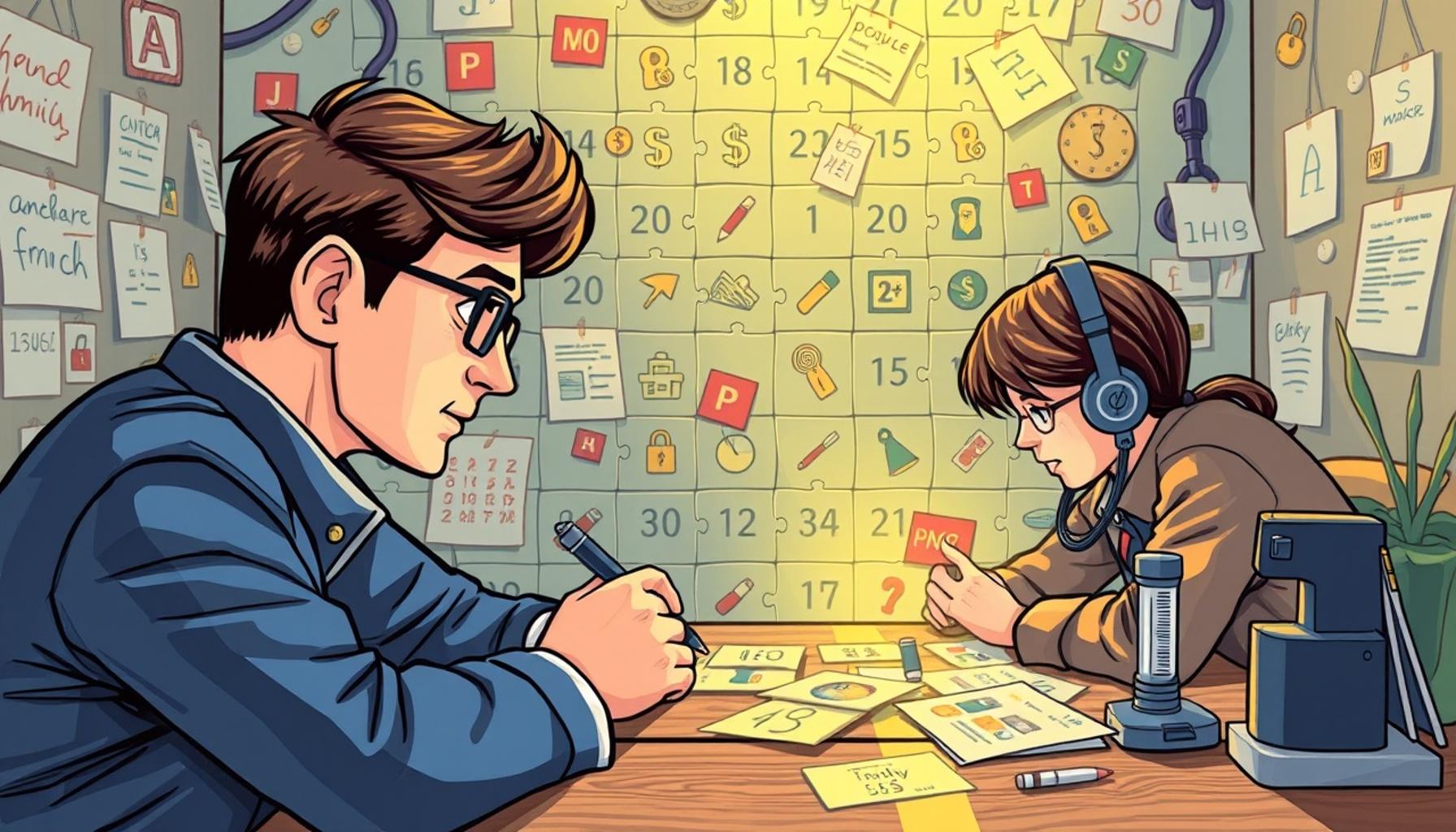
In recent years, escape rooms have emerged as a favorite pastime, captivating both tourists and locals alike. These engaging activities not only provide a thrilling experience, but they also serve as a unique environment for enhancing cognitive function. As players navigate through challenging puzzles and decipher clues to ‘escape’ from themed rooms, they are also inadvertently exercising their mental muscles.
Research indicates that the brain undergoes noticeable changes when immersed in problem-solving scenarios such as those found in escape rooms. These activities require participants to engage in deep critical thinking, which involves analyzing and synthesizing complex information. For instance, players must often evaluate various clues and decide which clues are relevant while filtering out distractions. For many Nigerians, this not only offers a fun outing but also enhances their ability to think critically in everyday life, whether in school, at work, or in personal relationships.
Moreover, escape rooms are remarkable for fostering team collaboration. When groups of friends, families, or coworkers come together to solve the puzzles, they learn to communicate effectively and leverage each other’s strengths. This is particularly important in Nigeria, where communal relations are valued. The essence of teamwork is beautifully highlighted when individuals bring their diverse perspectives together to crack a code or reveal a hidden link. As players hone these collaborative skills, they prepare themselves for future challenges in various group dynamics, both personally and professionally.
Time management is another critical component of escape room experiences. With a ticking clock to create urgency, participants must make prompt decisions and prioritize tasks. This skill is invaluable, especially in high-pressure environments, where swift and sound judgment is necessary. For example, students facing tight deadlines or professionals in fast-paced industries can use the lessons learned in escape rooms to improve their efficiency and effectiveness.
The growing interest in escape rooms in Nigeria signifies a larger cultural shift toward valuing cognitive development and mental agility. As more Nigerians indulge in these brain-teasing activities, understanding their broader implications becomes essential. These experiences offer possible applications in educational settings, where elements of gamification can be integrated into curricula to make learning more dynamic and interactive.
In addition, the insights gained from participating in escape rooms can be applied to daily life. Individuals can adopt puzzle-solving techniques, improved communication strategies, and effective time management skills, extending the benefits far beyond the walls of the escape room. Whether it’s improving academic performance or enhancing workplace productivity, the lessons learned from these adventures can lead to significant improvements in various aspects of life.
Join us as we explore the captivating world of escape rooms. By unraveling the science behind their appeal and the cognitive benefits they yield, we can discover innovative ways to bolster our mental performance while enjoying a delightful adventure. The journey to unlock your mind’s potential might just await behind a locked door!
RECOMMENDED: Check out this similar article
The Mechanics of Problem-Solving in Escape Rooms
As players step into an escape room, they are met with an array of puzzles that challenge their problem-solving skills and cognitive capabilities. Each puzzle is designed to test various aspects of mental agility, from logic and reasoning to creativity and intuition. Understanding these mechanics helps shed light on how escape room experiences can contribute to enhancing participants’ mental performance.
Typically, escape room challenges can be categorized into several types:
- Ciphers and Codes: These puzzles often require players to decode messages or unveil secret sequences using clues scattered throughout the room. This type of puzzle sharpens critical thinking and analytical skills as players must apply logic to decipher complex codes.
- Physical Challenges: Some puzzles incorporate physical activities, such as assembling objects or finding hidden items. Engaging in these tasks not only stimulates fine motor skills but also promotes spatial awareness and problem visualization.
- Pattern Recognition: Many escape room scenarios utilize patterns that lead participants to uncover connections between objects or clues. This encourages players to enhance their observational skills and encourages them to think outside the box.
- Word Games: Some puzzles may involve verbal reasoning, where players must use their vocabulary or general knowledge to solve riddles. This fosters both linguistic proficiency and creative thinking.
These various types of puzzles play a pivotal role in driving mental performance. By addressing different cognitive functions simultaneously, players engage a range of neural pathways, promoting overall brain health. Research has indicated that such multifaceted problem-solving activities can stimulate neuroplasticity, where the brain forms new connections to facilitate learning and adaptability.
Moreover, as players encounter and overcome these challenges, they experience heightened levels of critical thinking under pressure—a skill extraordinarily relevant in the Nigerian context. For students preparing for examinations or professionals adapting to swiftly changing environments, the ability to think critically and resolve issues efficiently can significantly lead to success. Escape rooms thus become more than just entertainment; they act as a training ground for mental resilience and adaptability.
In addition to individual cognitive benefits, the social aspect of escape rooms cannot be overlooked. Engaging in group-based problem-solving enhances interpersonal skills and teamwork. Participants must collaborate, communicate effectively, and delegate tasks—skills essential in Nigeria’s diverse and communal societal landscape. This facet of escape room puzzles builds on the belief that shared experiences cultivate relationships and foster greater mental coherence.
As the popularity of escape rooms continues to grow, further research into their cognitive effects will help us understand how they can be leveraged to develop mental performance and problem-solving skills. This exploration not only reveals their value in entertainment but also hints at their potential educational applications, bridging fun and learning in a way that could revolutionize traditional approaches to cognitive development.
Exploring Cognitive Benefits Through Escape Room Experiences
Escape rooms have quickly gained popularity as engaging social activities, but their true value lies in their ability to enhance mental performance and hone problem-solving skills. These interactive puzzles challenge participants to think critically and work collaboratively, prompting them to utilize various cognitive processes.One of the most notable advantages of escape room puzzles is their capacity to improve critical thinking skills. As players navigate through intricately designed challenges, they must analyze information, identify patterns, and develop strategies to progress. This dynamic engagement stimulates the brain, encouraging neuroplasticity—the brain’s ability to adapt and reorganize itself. Furthermore, research suggests that participating in escape rooms can enhance group decision-making skills. When teams are confronted with time-sensitive situations, they learn to communicate effectively, delegate tasks, and build consensus, fostering an environment of collaboration. This experience can translate into better teamwork in real-world settings, whether in professional or academic arenas.Consider the adrenaline rush that accompanies solving a difficult puzzle just seconds before time runs out; this eustress promotes a heightened sense of accomplishment and boosts self-esteem. Engaging in such mentally stimulating activities also contributes to overall mental well-being, showcasing the therapeutic value of cognitive challenges.Additionally, those who frequently participate in escape rooms often report improvements in memory retention. As participants are tasked with remembering clues and piece together narrative elements, they inadvertently exercise their memory skills, which can lead to enhanced recall in everyday situations.For anyone interested in tapping into their mental potential, it’s time to unlock the mysteries of escape room puzzles and discover their profound impact on mental agility and solution-oriented thinking. As more studies delve into this fascinating intersection of fun and functionality, it is clear that these experiences are more than just games; they are gateways to cognitive exploration and development.
| Benefits of Escape Room Puzzles | Advantages for Mental Performance |
|---|---|
| Improved Critical Thinking | Enhances ability to analyze and strategize effectively. |
| Enhanced Teamwork | Fosters communication and collaborative problem-solving. |
By embracing the challenges presented in escape rooms, individuals can unlock a wealth of cognitive benefits, positioning themselves as more adept thinkers and effective collaborators in various aspects of life. The journey through these puzzles is not just an adventure but a profound exploration of one’s mental capabilities.
YOU MAY ALSO LIKE: Read read another article
Enhancing Cognitive Functions Through Collaborative Play
As we dive deeper into the effects of escape room puzzles, it becomes evident that the collaborative nature of these experiences significantly enhances mental performance and problem-solving skills. Participants in escape rooms work together, pooling their diverse knowledge and perspectives to tackle challenges. This collective effort not only aids in the immediate goal of escaping the room but also fosters an environment where cognitive functions can flourish.
Research indicates that collaborative problem-solving environments can lead to improved cognitive flexibility—a crucial component of mental performance. When faced with a variety of puzzles, teams must adapt their strategies based on the inputs and ideas of their teammates. For example, in a Nigerian context, teams consisting of individuals from different educational backgrounds may approach puzzles differently. A university student, for instance, may rely on analytical skills honed through rigorous academic study, while a participant with practical experience may offer hands-on problem-solving techniques. This convergence of skills can lead to innovative solutions that a single individual might not have considered, thus reinforcing the importance of collaboration in enhancing mental performance.
Furthermore, the time-sensitive nature of escape rooms introduces an element of pressure that can further sharpen problem-solving abilities. In many settings across Nigeria, where quick decision-making is often required—be it in business negotiations or managing resources during community projects—the fast-paced environment of escape rooms allows participants to practice and improve their speed of thought and reaction. Studies have shown that working under pressure can boost creativity and enhance outcomes, elements that are translated into real-world scenarios where mental agility is key.
In addition to the cognitive benefits, escape rooms often incorporate elements of gamification that elevate the problem-solving experience. The design and narration of the puzzles—imbued with themes and stories—create a more immersive experience that engages participants emotionally as well as intellectually. This can lead to increased motivation and investment in overcoming challenges, elements that are essential in motivation-driven societies such as Nigeria’s. Ethnographic observations suggest that when individuals feel a sense of ownership over their tasks, their commitment to problem-solving efforts intensifies, resulting in higher success rates.
The role of practice in escape rooms cannot be disregarded. Just as athletes train to enhance their performance, participants in escape rooms undergo a form of mental conditioning. Through repeated experiences, players begin to recognize patterns in problem-solving and develop strategies that can be applied in various contexts beyond the escape room. A notable instance can be seen in the corporate world, where organizations are increasingly employing escape room team-building exercises to cultivate effective problem-solving skills among employees, thereby amplifying workplace efficiency.
Equally noteworthy is the impact of emotional intelligence developed during these collaborative experiences. Players become adept at recognizing non-verbal cues, managing stress, and supporting teammates, all of which are vital skills in today’s dynamic environments. In a diverse society like Nigeria, these skills not only contribute to effective teamwork but also foster greater empathy and understanding among individuals from varied backgrounds.
Ultimately, as escape rooms continue to thrive as a popular form of entertainment, their dual role as tools for cognitive enhancement and social development remains increasingly profound. By exploring their impact on mental performance and problem-solving skills, we gain valuable insight into how such playful yet structured environments can offer significant advantages in personal, educational, and professional realms.
ADDITIONAL INSIGHTS: Expand your understanding here
Final Thoughts on the Potential of Escape Rooms
In conclusion, the exploration of escape room puzzles vividly illustrates their profound impact on mental performance and problem-solving skills. The unique blend of collaboration, gamified challenges, and time-sensitive pressure not only encourages participants to think critically but also enhances their ability to adapt in real-world scenarios. As highlighted, individuals from diverse backgrounds, particularly in dynamic environments like Nigeria, can significantly benefit from pooling their knowledge and skills to navigate complex tasks. This collaborative dynamic nurtures critical cognitive flexibility and emotional intelligence, equipping players with vital tools for both personal and professional growth.
Furthermore, the practice gained through repeated participation in escape rooms serves as a form of mental conditioning, allowing individuals to recognize patterns in problem-solving that are transferrable to various contexts. This ability to strategize effectively under pressure mirrors the quick decision-making required in everyday Nigerian life, whether in business settings or community engagements.
There lies a promising future in the integration of escape room methodologies into educational and corporate environments. As we continue to uncover the cognitive advantages found within these playful yet structured experiences, it becomes essential for educators and employers alike to harness this potential. Ultimately, escape rooms represent a vibrant intersection of fun and skill development, making them invaluable in fostering a culture of creativity and collaboration that can significantly uplift individuals and communities.

Beatriz
Beatriz Johnson is a seasoned puzzle enthusiast and writer with a passion for unraveling the complexities of mind games and brain teasers. With over a decade of experience in the world of puzzles, she specializes in topics like logic games, riddles, and strategic challenges. Through her work, Beatriz empowers readers to sharpen their problem-solving skills, think creatively, and stay engaged in the ever-evolving landscape of mind games and puzzles.