Developing Visual Memory and Logical Reasoning Through Puzzles and Strategy Games

The Cognitive Benefits of Puzzles and Strategy Games
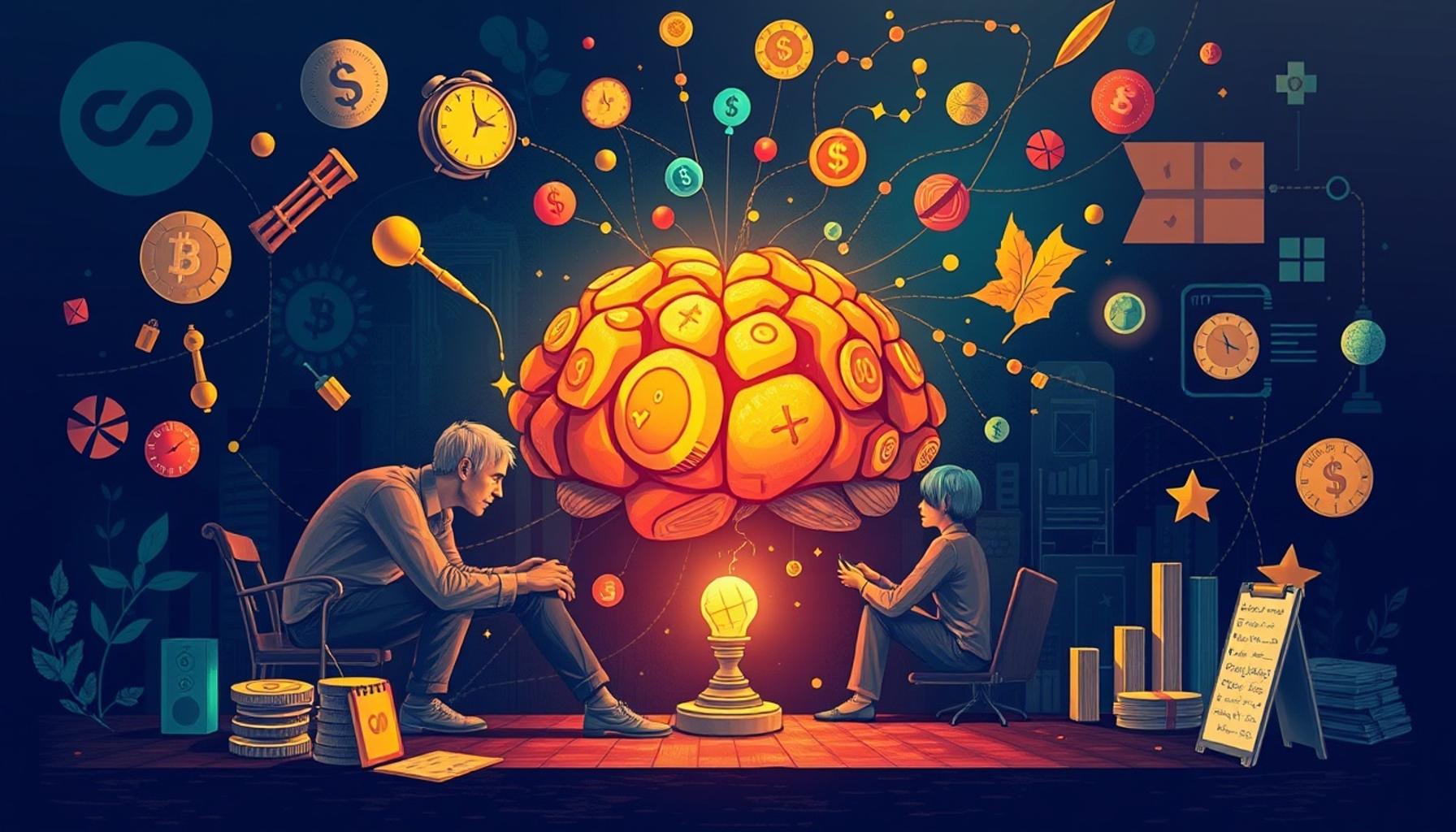
Puzzles and strategy games provide more than just a distraction; they serve as vital tools for cultivating cognitive skills that can enhance various aspects of daily life. Engaging with these activities goes beyond entertainment; it offers substantial benefits that include improved visual memory and strengthened logical reasoning. This engagement stimulates the brain, fostering mental sharpness and acuity that can aid individuals in various situations—from academic settings to everyday problem-solving.
Cultural Connections in Nigeria
In Nigeria, the significance of puzzles and strategy games is deeply rooted in cultural heritage, allowing individuals to connect with tradition while simultaneously enhancing their cognitive abilities. For instance:
- Ayo: Known as a form of mancala, this traditional board game teaches players how to strategize and think ahead. The game requires players to anticipate their opponent’s moves, thereby enhancing strategic thinking and foresight.
- Scrabble: A popular word game that not only enriches vocabulary but also promotes problem-solving skills. As players scramble to create words from a limited set of letters, they are also training their brains to recognize patterns and make connections between words.
- Sudoku: This number puzzle challenges players to think critically and utilize their logical reasoning skills. The process of filling in the empty squares with the right numbers enhances both memory and problem-solving capabilities through the systematic elimination of possibilities.
Developing Essential Skills
The practice of playing puzzles and strategy games fosters vital cognitive skills that are essential for navigating life’s challenges. As individuals engage in these activities, they stimulate key areas of the brain responsible for:
- Memory retention: Regular practice with these games improves the ability to retain information, which is particularly beneficial in both academic and professional environments.
- Analytical abilities: Players develop better analytical skills as they learn to dissect problems into manageable parts and find effective solutions.
- Creative thinking: Engaging in strategy games often requires a creative approach, pushing players to think outside the box and invent novel solutions to challenges.
The Path to Enhanced Cognitive Function
In our fast-paced, ever-evolving world, where effective analytical skills become increasingly important, it is vital to recognize the role of puzzles and strategy games in cultivating such abilities. Exploring these engaging activities can unveil their surprising impacts on cognitive enhancement, leading individuals to discover new ways to think and solve problems. Not only do these games serve as a source of fun and cultural connection, but they also empower members of communities to thrive intellectually and socially. For anyone looking to boost their brainpower while enjoying time with family and friends, diving into the world of puzzles and strategy games presents a rewarding opportunity to grow both mentally and culturally.
ADDITIONAL INSIGHTS: Expand your understanding here
The Mechanics of Memory and Reasoning
The development of visual memory and logical reasoning through puzzles and strategy games is rooted in the cognitive processes that these activities require. To understand how they enhance these skills, it is important to dissect the mechanics at play when engaging with such games. At their core, both puzzles and strategy games invite players to think critically, analyze situations, and draw connections between seemingly unrelated elements.
Visual Memory: The Art of Recall
Visual memory is the ability to remember visual details, and it plays an indispensable role in everyday life. Games designed with this in mind, such as memory card games or visually complex puzzles, improve the ability to recall information based on sight. For example, a well-known card game called Concentration challenges players to remember the locations of various cards laid face down. The engagement with such games strengthens the neural pathways associated with memory, leading to improved retention of visual information.
Moreover, the use of colors, patterns, and shapes in these games makes the experience not only engaging but also a genuine workout for the brain. A study conducted by researchers at Harvard found that participants who regularly engaged in visual memory tasks exhibited improved ability in recalling not just images but also other types of information. This connection emphasizes the significance of incorporating visual memory enhancing puzzles into one’s routine.
Logical Reasoning: The Power of Deduction
On the other hand, logical reasoning revolves around structured thinking and deduction. Strategy games such as chess or checkers require players to think several steps ahead. This planning encourages a deep analysis of potential outcomes and instills a disciplined way of approaching problems. Players learn how to evaluate situations methodically, weighing the pros and cons before making a decision. For those in Nigeria who may be newer to games like chess, local tournaments are often held in community centers, providing an excellent opportunity to practice this essential skill among peers.
Furthermore, puzzles like jigsaw challenges compel participants to analyze patterns and sort pieces by shape and color. Each successful connection in these games reinforces logical thought processes as players learn to predict how various pieces will fit together to form a cohesive whole. By investing time in such activities, individuals not only improve their reasoning abilities but gain confidence in their problem-solving skills applicable in real-world situations.
The Community Effect
The cognitive benefits of puzzles and strategy games extend beyond individual improvement; they often foster a sense of community. In many Nigerian settings, families gather to play traditional games, creating an atmosphere of collaboration and friendly competition. By practicing visual memory and logical reasoning together, family members reinforce these skills while building stronger relational ties. Notably, conversations surrounding strategies and outcomes encourage critical dialogue, further enhancing cognitive engagement.
In conclusion, integrating puzzles and strategy games into routine activities represents a compelling method for individuals seeking to enhance their cognitive abilities. Whether through traditional games rooted in Nigerian culture or contemporary puzzles enjoyed worldwide, the journey toward improved visual memory and logical reasoning is an engaging and rewarding endeavor.
| Category | Description |
|---|---|
| Visual Memory Enhancement | Engagement with puzzle games helps improve the brain’s ability to remember visual information. |
| Logical Reasoning Skills | Strategy games stimulate critical thinking and help develop a systematic approach to problem-solving. |
Puzzles and strategy games have become a cornerstone for developing cognitive skills that are essential in daily life. These engaging activities not only provide entertainment but also serve as powerful tools for enhancing visual memory and logical reasoning. Through the repetitive nature of puzzles, players become adept at retaining visual information, which is critical for tasks that require attention to detail.Moreover, strategy games push individuals to evaluate situations critically and devise solutions, thereby fostering a robust problem-solving mindset. For instance, games that require players to maneuver a board or card game lead to heightened awareness of spatial relationships and consequences, which are invaluable skills in fields such as mathematics, engineering, and even everyday decision-making. Engaging with these games can significantly improve one’s cognitive flexibility and adaptability in diverse scenarios. The benefits extend beyond mere entertainment; they contribute to lifelong learning and skill development, making it crucial to incorporate these forms of play into regular activities for all ages.
RECOMMENDED: Check out this similar article
The Role of Game Selection and Design
The choice of puzzles and strategy games can have a profound impact on the development of visual memory and logical reasoning. Diverse game designs cater to various cognitive skills, leading to enhanced outcomes depending on player engagement. It is essential to consider the complexity and variety in game mechanics as these factors can either challenge or plateau one’s mental capacity.
Complexity in Games: Finding the Right Balance
Games that strike an optimal balance between challenge and accessibility are often most effective for cognitive development. For instance, while games like Sudoku and Crossword puzzles may seem simple at first glance, they actually require a great deal of logical reasoning. Players must identify patterns, make deductions based on given clues, and strategize their moves. By progressively increasing complexity—from beginner to expert levels—players can continuously engage their cognitive functions without becoming overwhelmed. In Nigeria, local adaptations of these games can provide culturally relevant examples, such as using Nigerian-themed crossword cues, reflecting the richness of local knowledge and language.
Puzzles that Visualize Learning
Visual elements in game design can amplify the learning experience, especially where visual memory is concerned. Consider the use of 3D puzzles or physical puzzle games that require assembling distinct pieces; engaging the hands alongside visual perception significantly enhances memory retention. A well-substantiated study by the University of Michigan revealed that engaging in spatial reasoning activities correlates with improved performance in mathematics and sciences for students. Hence, incorporating tactile puzzles into school curriculums can create an enriching educational environment that benefits logical reasoning and visual memory at a young age.
The Influence of Digital Gaming
The advent of technology has transformed many traditional games into digital formats, widening the reach of puzzling challenges. Online platforms now offer a myriad of games that emphasize both visual memory and logical reasoning, allowing gameplay that can be accessed anytime, anywhere. Popular games like 2048 and Portal not only entertain players but compel them to utilize strategic thinking, problem-solving, and pattern recognition. Additionally, these games foster a competitive spirit through online leaderboards, motivating players to improve their cognitive performance continually.
Real-World Applications: Connecting Theory to Practice
The skills honed through these games are not isolated to the gaming environment; they have practical applications in various domains. In the context of the Nigerian workforce, enhanced logical reasoning is crucial for fields such as engineering, finance, and technology. For example, engineers often rely on logical deductions to devise solutions for complex issues, while professionals in the finance sector employ strategy games to simulate market conditions, enhancing their decision-making skills. This seamless shift from playful engagement to real-world application affirms the critical role of game choice and design in personal and professional development.
Furthermore, the fostered sense of competition and collaboration while engaging in puzzles and strategy games offers additional social benefits. In Nigeria, community Chess clubs and competitive board game evenings not only cultivate cognitive skills but also contribute to the enhancement of visual memory and logical reasoning within a collective setting, demonstrating that learning can indeed be a spirited and communal journey.
LEARN MORE: This related article may interest you
Conclusion: The Cognitive Pathways of Engagement
As we delve into the world of puzzles and strategy games, it becomes evident that they serve as more than mere entertainment. These engaging challenges improve visual memory and logical reasoning, cultivating skills that extend well beyond the gaming table. By thoughtfully selecting games with optimal complexity, incorporating visual elements, and leveraging digital platforms, players can create a robust environment for cognitive growth. This journey of mental enhancement is not just an isolated experience; it intertwines with real-world applications, particularly in sectors pivotal to Nigeria’s development, such as engineering, technology, and finance.
The potential of puzzle engagement becomes even more exciting when viewed within a community framework. The collaborative spirit fostered through local chess clubs and game nights not only amplifies logical reasoning but fosters social interaction and a shared love for learning. Such communal activities highlight how cognitive development can be a vibrant and collective pursuit, where learning becomes a celebration rather than merely a task.
In summary, puzzles and strategy games offer an innovative approach to enhancing vital cognitive functions. As traditional and digital formats continue to evolve, there lies an exciting opportunity for educators, parents, and community leaders to harness these tools in nurturing a generation equipped with critical thinking and spatial reasoning skills. It is imperative for individuals and stakeholders across Nigeria to embrace and advocate for these enriching experiences, ensuring that the cognitive benefits of play are recognized and integrated into educational and professional practices for the betterment of society at large.

Beatriz
Beatriz Johnson is a seasoned puzzle enthusiast and writer with a passion for unraveling the complexities of mind games and brain teasers. With over a decade of experience in the world of puzzles, she specializes in topics like logic games, riddles, and strategic challenges. Through her work, Beatriz empowers readers to sharpen their problem-solving skills, think creatively, and stay engaged in the ever-evolving landscape of mind games and puzzles.