The Role of Cleaning Tools in Maintaining Health and Hygiene in Nigerian Homes
The Role of Cleanliness in Nigerian Households
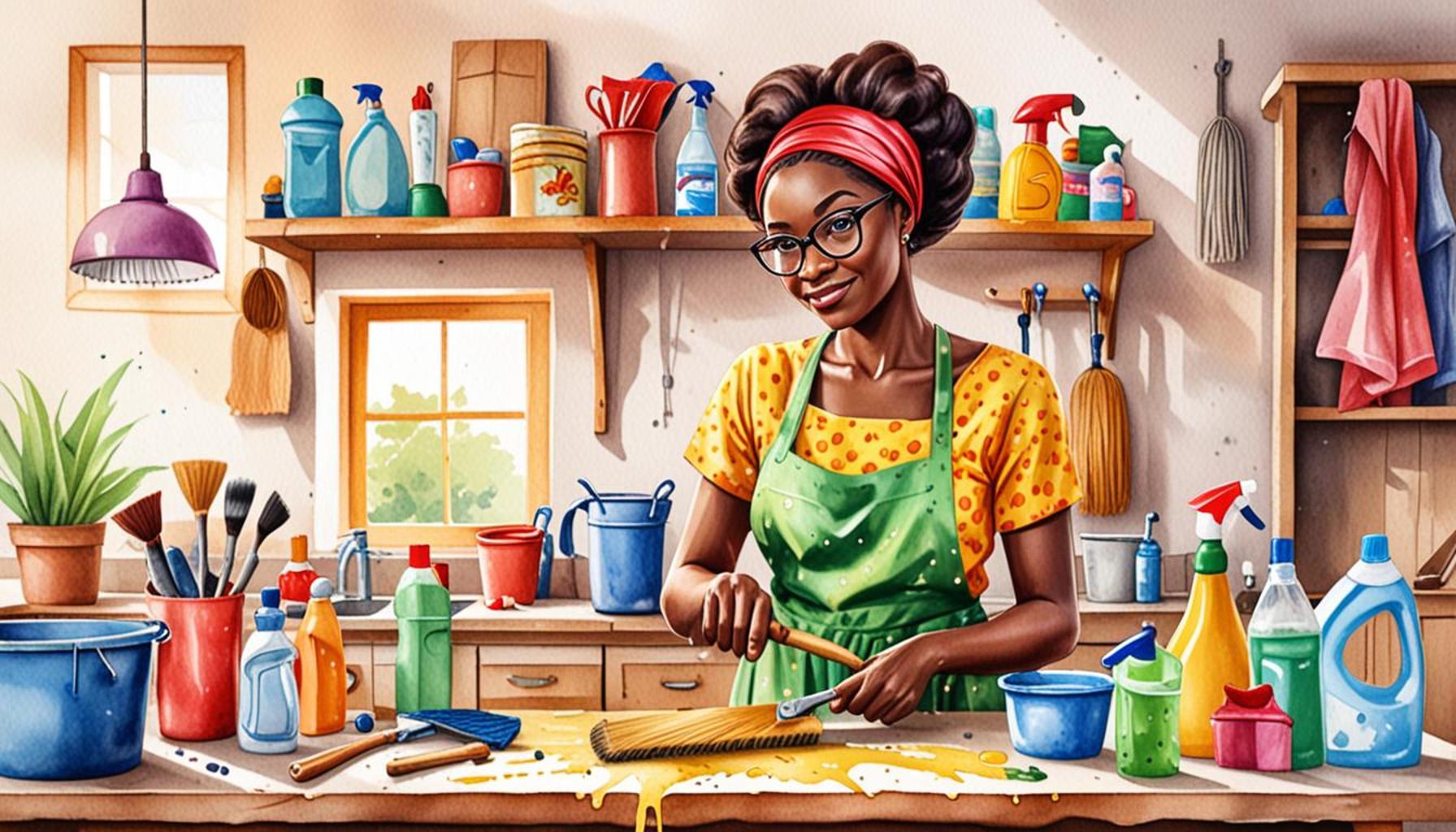
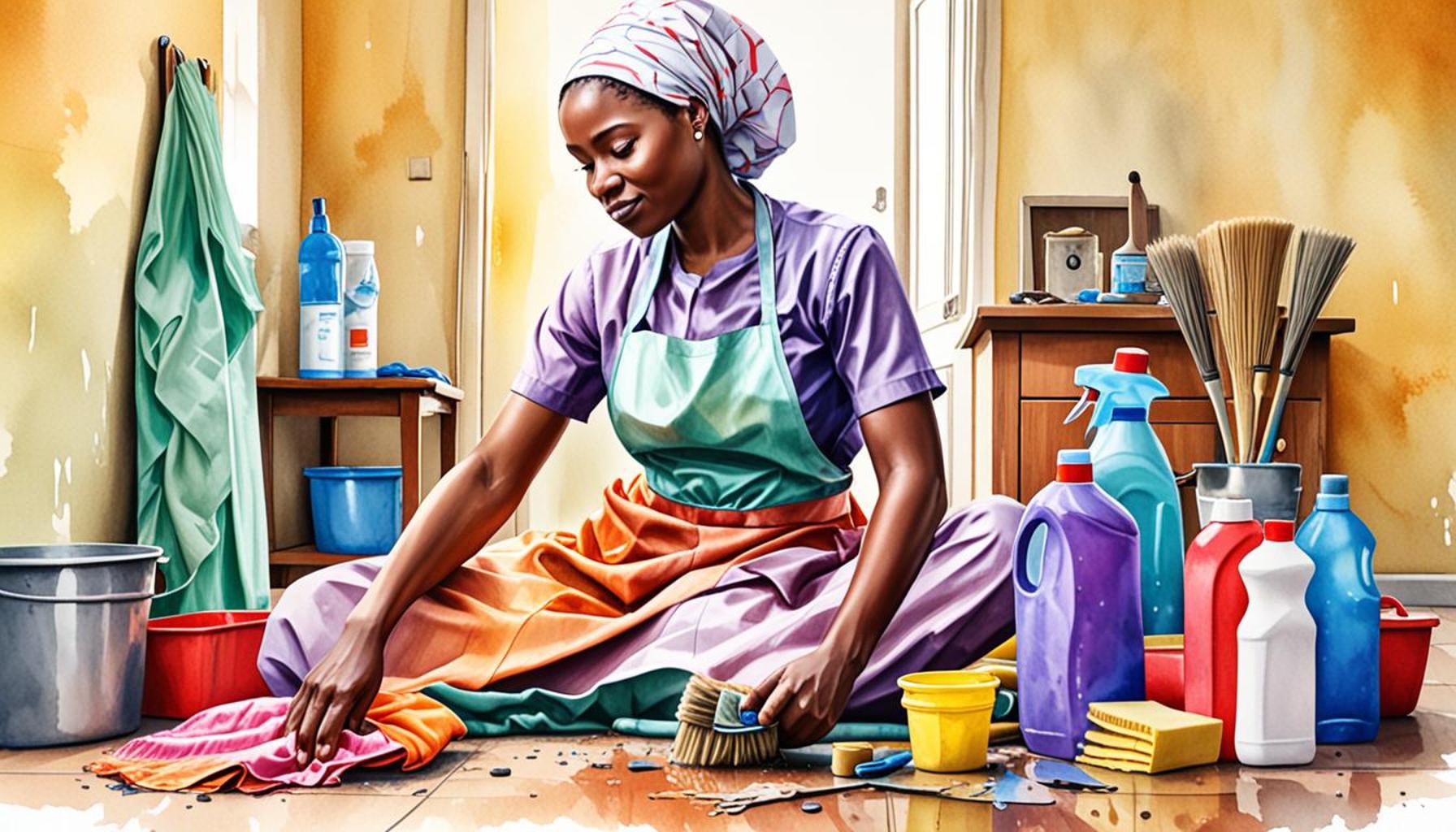
Cleanliness in Nigeria transcends mere aesthetics; it is a cornerstone of health, safety, and overall community well-being. With bustling cities like Lagos and Abuja, where urban populations are dense, and rural areas that often lack adequate waste management systems, the need for maintaining hygiene in homes is critical. Effective cleaning tools are not just accessories; they are essential for safeguarding health and enhancing the quality of life.
The use of efficient cleaning tools can lead to a significant reduction in health risks associated with poor hygiene. For example, the humble broom is ubiquitous in Nigerian households. Its ability to swiftly eliminate dust, debris, and other contaminants from floors makes it indispensable. Brooms made from traditional materials, such as palm fronds, are commonly used due to their effectiveness and affordability. In contrast, urban areas might see the use of synthetic brooms that offer durability and ease of use.
Deep cleaning is equally as important, which is where mops come into play. These devices not only help in cleaning floors but also play a critical role in disinfecting surfaces, effectively killing germs that linger after sweeping. In light of recent global health concerns, the adoption of mops made from microfiber material has gained traction due to their superior capacity to trap dust and bacteria.
Furthermore, brushes, with their stiff bristles, are ideal for scrubbing stubborn stains from tiles and kitchen surfaces. This is particularly vital in households where food is prepared, as these tools can help mitigate the risk of foodborne illnesses. Using cleaning cloths soaked in disinfectants is another strategy employed to wipe down surfaces, ensuring that high-touch areas like kitchen counters and doorknobs are germ-free.
The decision to use disinfectants is also crucial. In Nigeria, the prevalence of diseases such as cholera and malaria underlines the importance of using products well-known for their effectiveness in killing harmful bacteria and viruses. Opting for locally available options that contain natural ingredients can also provide an eco-friendly alternative for health-conscious families.

By collectively focusing on these essential cleaning instruments, Nigerian households can contribute to a significant reduction in allergens, bacteria, and potential illnesses. The adoption of better hygiene practices using the right tools promotes a healthier living environment for families and helps combat the widespread issues of diseases that can arise from poor sanitation.
This understanding emphasizes that cleanliness is not merely about having a tidy space; it is an ongoing commitment to health, safety, and well-being, which resonates deeply within communities across Nigeria. As individuals become more aware of the diverse range of cleaning tools available and how to properly utilize them, they are empowered to create environments that prioritize health and hygiene, leading to a more prosperous future for all.
CHECK OUT: Click here to explore more
Essential Cleaning Tools for Ensuring Health and Hygiene
In Nigeria, maintaining health and hygiene within households goes beyond an ordinary cleaning routine; it requires the strategic use of various cleaning tools that directly contribute to creating a safe living environment. With traditional and modern practices intertwined in the fabric of Nigerian society, the importance of these tools cannot be overstated. Each cleaning instrument serves a specific purpose that, when used effectively, can significantly reduce the incidence of hygiene-related health issues.
One of the most basic yet crucial tools found in nearly every Nigerian home is the broom. This indispensable tool is often the first line of defense against dust and dirt accumulation. Whether crafted from local materials such as palm fronds or made from more contemporary synthetic fibers, the broom’s primary function is to clear floors of debris. In a country where dust storms and litter are common, an efficient broom can significantly lower the risk of respiratory issues and allergies linked to poor air quality.
Moving beyond sweeping, mops play a vital role in maintaining cleanliness. In many Nigerian households, particularly in urban areas, mops are essential for deep cleaning. They help to not only wash but also disinfect floors, combatting grime and bacteria that a broom alone cannot handle. The rise of microfiber mops illustrates an evolving awareness among families about effective cleaning technologies. These mops are known for their ability to trap even the smallest particles, yielding a cleaner and healthier environment.
Additionally, scrubbing brushes are indispensable tools for tackling tough stains and grime, especially in kitchens and bathrooms. These brushes provide the necessary leverage to remove food particles and soap scum, preventing the growth of bacteria and pathogens that could result in unhealthy living conditions. The meticulous attention to areas where food is prepared or consumed underscores the necessity of using reliable brushes to ensure hygiene.
A strategic cleaning regimen would also benefit from the inclusion of cleaning cloths. These cloths, often used with disinfectants, serve to wipe down surfaces that people frequently touch, such as doorknobs and kitchen counters. Given the high traffic in these areas, utilizing suitable cleaning cloths soaked in effective cleaning solutions can significantly mitigate the spread of germs and infections.
As households consider cleaning methods, it is also essential to focus on disinfectants. In Nigeria, where diseases like cholera and typhoid are prevalent, the choice of a reliable disinfectant can be a game-changer for health outcomes. Using products that effectively target harmful bacteria while remaining safe for use within the home is paramount. Many families are turning to locally sourced disinfectants, which often incorporate natural ingredients, contributing to a sustainable and eco-friendly approach to cleaning.
The synergy of these cleaning tools demonstrates that hygiene is achievable through appropriate practices and materials. By employing everyday tools effectively, Nigerian households can play an active role in combating the spread of disease and enhancing the overall quality of life in their communities.
The Importance of Cleaning Tools in Nigerian Homes
In the fabric of Nigerian society, maintaining health and hygiene is a paramount concern for families across the nation. The choice of effective cleaning tools plays a critical role in this endeavor. Every household, irrespective of economic standing, acknowledges the need for cleanliness to prevent diseases, promote well-being, and create a conducive living environment.
Utilizing adequate cleaning tools like broomsticks, mops, and disinfectants empowers families to combat dirt, grime, and the lurking pathogens that thrive in unkempt spaces. For instance, broomsticks are indispensable for sweeping dust and debris, while modern <strong;mops, particularly those with microfiber technology, can capture more dirt and bacteria compared to conventional methods. Furthermore, the use of eco-friendly disinfectants ensures not just cleanliness but also safety, reducing the toxic footprint in the home.
Moreover, the advent of specialized cleaning tools like vacuum cleaners and steam cleaners has revolutionized hygiene practices, making it easier and more efficient to maintain sanitized living spaces. Understanding the effectiveness of these tools and incorporating them into daily routines is essential for maximizing health benefits.
By investing in the right cleaning supplies and equipment, Nigerian households can significantly reduce the prevalence of infections and allergies. Leveraging community initiatives and education programs focusing on proper cleaning techniques can further enhance the understanding of personal and public health, fostering a cleaner and healthier Nigeria.
| Category | Advantages |
|---|---|
| Types of Cleaning Tools | Broomsticks, Mops, Vacuum Cleaners, Disinfectants |
| Health Benefits | Reduces germs, Prevents allergies, Promotes overall well-being |
As Nigerian households strive to maintain a hygienic environment, the integration of practical cleaning tools backed by knowledge can make a significant impact on community health. Understanding the positive relationship between cleanliness, health, and effective cleaning practices is vital for the collective advancement of society.
LEARN MORE: This related article may interest you
Modern Innovations in Cleaning Tools
As the quest for improved health and hygiene in Nigerian homes continues, modern innovations in cleaning tools are making significant strides to complement traditional methods. The integration of technological advancements into cleaning practices is reshaping household cleaning routines, making them more effective, efficient, and environmentally friendly.
One of the noteworthy innovations is the introduction of automatic cleaning devices such as robotic vacuum cleaners. These appliances are increasingly becoming popular in urban settings, where busy lifestyles make manual cleaning less feasible. Robotic vacuums use sensors to navigate homes, efficiently picking up dirt, dust, and even pet hair from various surfaces. This not only ensures thorough cleaning but also saves time for families, allowing them to focus on other important activities. Interestingly, some models are designed to work in conjunction with mobile apps, giving users the option to program cleaning schedules right from their smartphones.
Moreover, innovations in surface sanitization technology, particularly UV-C light sanitizers, are gaining traction among health-conscious households. These devices utilize ultraviolet light to eliminate bacteria and viruses from surfaces without the need for harsh chemicals. With the increasing awareness of germs and the spread of infectious diseases, such technology offers a practical solution for maintaining cleanliness, especially in high-touch areas like kitchens and bathrooms. Such advancements not only foster a hygienic environment but also promote a level of safety in the home.
In addition to appliances, the use of eco-friendly cleaning products is also on the rise. Many households are now opting for organic cleaning agents made from natural ingredients like vinegar, baking soda, and lemon juice. This shift not only highlights a growing consciousness regarding environmental impact but also addresses health concerns associated with chemical cleaners, particularly for families with young children or individuals with allergies. Such natural alternatives provide effective cleaning and disinfecting capabilities without introducing toxic substances into the home.
The Impact on Community Health
The importance of cleaning tools transcends the personal benefits seen in individual homes; it has broader implications for community health as well. When families prioritize hygiene through the effective use of cleaning tools, the ripple effects can significantly reduce the prevalence of disease in local communities. Improved sanitation practices help to control the spread of illnesses such as malaria and cholera, which often thrive in unsanitary conditions.
Community initiatives that promote the collective responsibility of maintaining hygiene can amplify these effects. For instance, neighborhood cleanup campaigns that encourage residents to utilize proper cleaning tools serve dual purposes: enhancing the local environment and fostering awareness around health and hygiene. By pooling resources, communities can invest in bulk purchasing of cleaning tools and supplies, ensuring that even economically disadvantaged households have access to essential hygiene products.
Furthermore, educational programs that demonstrate the effective use of cleaning tools can empower families. Such programs can provide a comprehensive approach to hygiene, teaching households not just the importance of cleaning but also best practices aligned with current health guidelines. Through engaging workshops and demonstrations, families learn how to maintain a cleaner environment, ultimately leading to a healthier community.
The evolving landscape of cleaning tools and practices in Nigerian homes exemplifies a proactive stance against common health issues. By embracing both tradition and innovation, households can empower themselves to combat the challenges of maintaining hygiene, reducing disease prevalence, and nurturing a healthier future for generations to come.
LEARN MORE: This related article may interest you
Conclusion
In summary, the role of cleaning tools in maintaining health and hygiene in Nigerian homes cannot be overstated. As we have examined, the combination of traditional cleaning methods with modern innovations such as robotic vacuums and UV-C light sanitizers is transforming how households approach cleanliness. These advancements are not only providing efficient solutions but also promoting healthier living spaces that are crucial for the well-being of families.
Moreover, the shift towards eco-friendly cleaning products reflects a growing awareness of environmental issues and health concerns, indicating that Nigerians are increasingly seeking safer choices for their families. Such responsible practices not only improve personal hygiene but also contribute significantly to community health, helping mitigate the spread of diseases like malaria and cholera, which thrive in unsanitary conditions.
Furthermore, initiatives that encourage community engagement in hygiene practices—such as local cleanup projects and educational programs—foster collective responsibility and enhance the overall health of neighborhoods. By pooling resources and knowledge, communities can ensure that all households, regardless of economic status, have access to essential cleaning tools and education on best hygiene practices.
As Nigerian homes continue to embrace innovative and effective cleaning solutions, they pave the way for a cleaner, healthier future. Ultimately, the commitment to maintaining high standards of hygiene not only enhances individual well-being but also strengthens the fabric of society as a whole, leading to safer and more vibrant communities. For anyone interested in improving health and hygiene in Nigerian homes, the exploration of various cleaning tools and practices is an empowering first step. Embracing this journey toward cleanliness benefits not just individual families, but the entire nation.