Strategic Games and Cognitive Entertainment: How Board Games and Puzzles Can Enhance Memory and Concentration
Unlocking the Power of Strategic Games
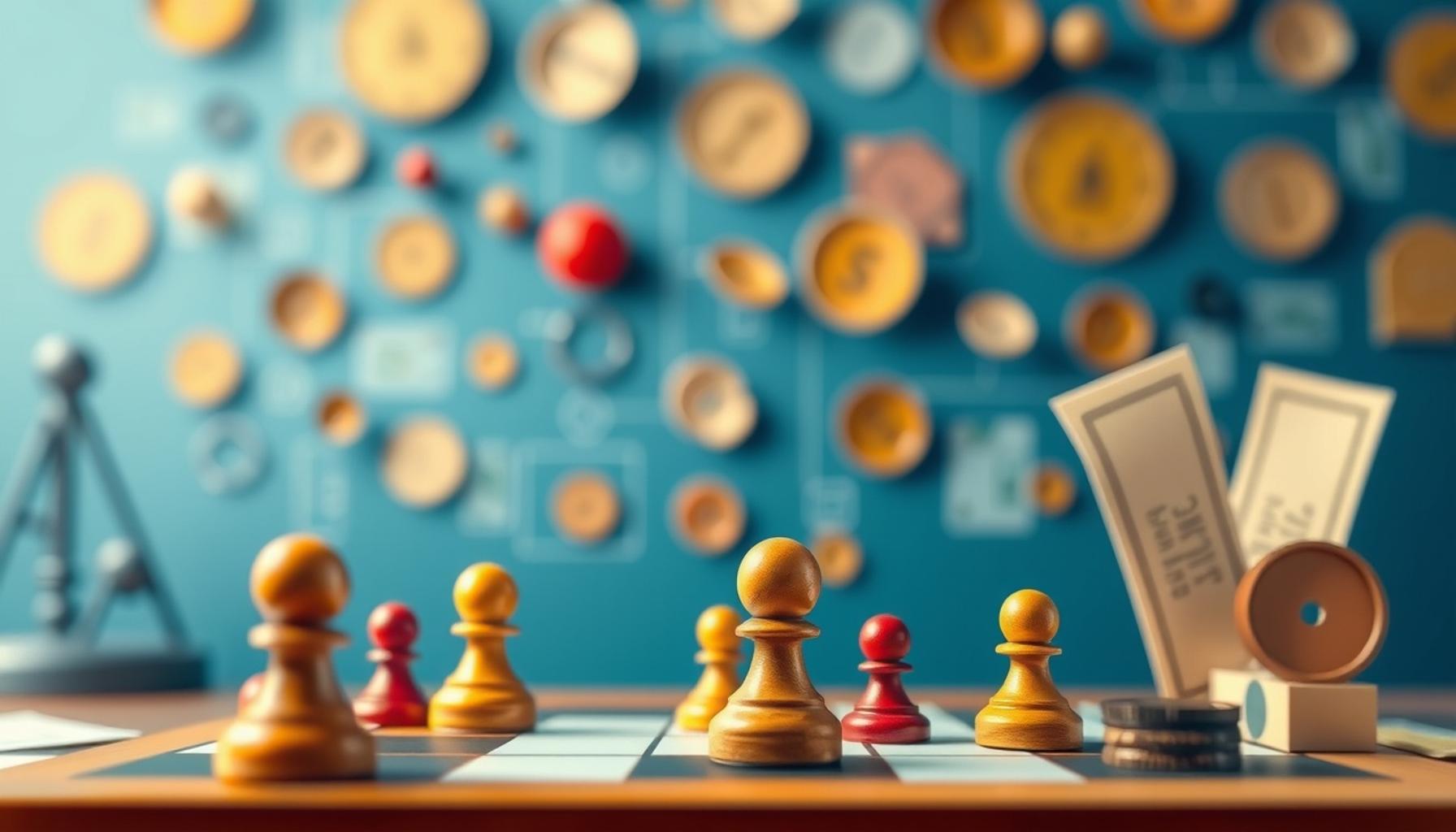
In our fast-paced world, cognitive entertainment has emerged as a vital tool for enhancing mental agility. Board games and puzzles are not just mere pastime activities; they are platforms for developing sharper memory and improved concentration. Whether played alone or with friends and family, these games foster connections while challenging the mind. The rich tapestry of games available today is a vibrant intersection of culture, strategy, and entertainment, making it an intriguing subject for exploration.
Why Choose Board Games and Puzzles?
Engaging regularly in these activities can yield numerous benefits:
- Boost Insightfulness: Strategic games encourage critical thinking and problem-solving. Consider games like chess, which require players to think several moves ahead, analyzing potential outcomes and devising strategies to outmaneuver opponents. This also translates into real-life situations where logical reasoning and foresight are essential.
- Enhance Memory: Many games require players to remember rules, patterns, or moves. For instance, memory card games hinge on players recalling the locations of various cards the more they play, effectively training their brains to recognize and remember patterns easily.
- Improve Focus: Concentration is key in successfully playing both short and long games. The dedication required to stay engaged immerses players in the present moment, which can be particularly beneficial in reducing stress and anxiety levels.
In Nigeria, traditional games like Ludo and Damino not only serve as entertainment but are also vital for cognitive development. These games foster a deep sense of community and family bonding, especially during festive seasons like Christmas or during important events such as weddings. They also offer a platform for passing down cultural stories and values, enhancing the educational aspect of play.
Furthermore, puzzles, ranging from crosswords that challenge language skills to intricate jigsaw challenges that test spatial reasoning, present unique ways to engage the brain. Websites and apps like Lumosity have even embraced these traditional puzzles, transforming them into digital formats that appeal to the younger generations while retaining their cognitive benefits.
Research and Findings
Studies suggest that regular participation in strategic games significantly contributes to long-term cognitive health. Research from institutions such as the Alzheimer’s Association indicates that seniors who engage in mentally stimulating activities, including board games, can delay the onset of cognitive decline by several years. It’s fascinating to realize that these simple forms of entertainment can lead to enhanced problem-solving skills and sharper focus.
Moreover, by exploring the intersection of leisure and learning through these recreational activities, we uncover the potential for personal development. Various organizations and educational institutions are increasingly integrating game-based learning strategies, recognizing the crucial role that playtime has in mental growth. As engagement with board games and puzzles continues to rise, it serves as an exciting invitation for everyone to explore the rich cognitive benefits that await.
RECOMMENDED: Check out this similar article
The Multifaceted Benefits of Strategic Play
The allure of board games and puzzles extends beyond mere entertainment; they represent a significant avenue for mental enhancement. As individuals engage in these strategic activities, they unconsciously develop a range of cognitive skills that breathe life into their everyday experiences. Below, we explore how these games foster crucial mental attributes that are valuable in both personal and professional realms.
- Encouraging Strategic Thinking: Engaging in board games necessitates a level of strategic thought that can be applicable in various real-world scenarios. Games like Scrabble and Monopoly allow players to devise and manipulate strategies to outwit their peers, fostering a mindset that is crucial for problem-solving. Such cognitive exercises sharpen analytical skills and empower individuals to approach decision-making with greater confidence and foresight.
- Enhancing Social Skills: Board games are quintessential for developing interpersonal skills. Playing games such as Trust Me (or Trust Issues) can help individuals navigate social dynamics and enhance emotional intelligence. This aspect of strategic play is particularly impactful in Nigeria, where communal games connect individuals and promote collaboration, understanding, and respect.
- Boosting Attention Span: The concentration required in strategy-driven games and puzzles trains the brain to focus on tasks for extended periods. This heightened attention can translate into better performance in academic and professional endeavors, where multitasking and sustained focus are often prerequisites for success.
- Stimulating Creativity: Challenges presented in games can prompt innovative thinking. Players are often faced with unique scenarios that require them to think outside the box and devise solutions on the spot. This can lead to a more inventive mindset in handling day-to-day challenges, enhancing creative problem-solving capabilities.
Additionally, the simple act of gathering around a board game or piecing together a puzzle fosters cognitive functioning while nurturing community bonds. In Nigerian traditions, games such as Awale or Whot are played across generations, creating a shared experience that intertwines entertainment with cognitive development. These games are often accompanied by laughter and lively discussions which, in themselves, elevate cognitive engagement through social interaction.
Furthermore, puzzles come in varying forms—be it crossword puzzles promoting vocabulary skills, Sudoku exercises enhancing numerical reasoning, or intricate jigsaw puzzles improving spatial awareness. Each type of puzzle carries its unique advantages, engaging the mind in different ways while reinforcing the neural connections necessary for memory and concentration. Research suggests that individuals who regularly engage in puzzles and games often experience a delayed onset of cognitive decline, emphasizing the long-term benefits they contribute to mental well-being.
Consequently, strategic games and puzzles are not just fun diversions but essential tools in boosting cognitive functions. They provide a dynamic interplay between entertainment and intentional mental workouts, inviting everyone to delve into the world of cognitive enhancement through unencumbered play.
Exploring the Cognitive Benefits of Strategic Games
As we delve deeper into the realm of strategic games, it becomes evident that these activities are not just entertaining; they hold significant potential for enhancing memory and concentration. Engaging in board games and puzzles stimulates various cognitive functions, creating pathways for improved mental agility.
One of the remarkable features of strategic games is their ability to promote critical thinking. Players are often required to evaluate their options, anticipate opponents’ moves, and plan several steps ahead. This form of cognitive exercise not only sharpens decision-making skills but also reinforces memory retention as players recall previous game scenarios and strategies.
Moreover, participating in these activities can lead to improved focus. The immersive nature of strategic games demands players’ full attention, which translates into increased concentration over time. Research has indicated that frequent engagement in cognitive entertainment can improve brain function, making tasks that require focus in other areas of life far more manageable.
Social Interaction: A Catalyst for Cognitive Development
Another intriguing aspect of board games and puzzles is the social interaction they encourage. These games are often played in groups, fostering communication and collaboration. Such interactions not only enhance social skills but also present opportunities for learning through shared experiences. By discussing strategies and outcomes with peers, players can reinforce their cognitive understanding.
As strategic games continue to gain popularity across generations, their role in cognitive entertainment is crucial. From sharpening memory to bolstering concentration, the benefits are vast and multifaceted. They serve as a bridge connecting individuals to mental challenges, all while providing a platform for enjoyment and social engagement.
| Category | Key Features |
|---|---|
| Cognitive Stimulation | Enhances critical thinking and problem-solving skills. |
| Social Engagement | Promotes teamwork and improves communication skills. |
To sum up, strategic games and cognitive entertainment present a unique opportunity for individuals to not only enjoy their time but also develop vital cognitive skills. Whether played alone or in groups, they encourage mental growth and foster social connections, making them an invaluable addition to our daily activities.
CHECK OUT: Click here to explore more
Unlocking Memory Enhancement Through Play
In addition to the cognitive skills previously discussed, strategic games and puzzles offer profound benefits in memory enhancement. Memory is a complex cognitive function that can be significantly improved through regular engagement with strategic play. As players immerse themselves in the competitive environments of games like Chess or Checkers, they challenge themselves to remember the rules, moves, and strategies employed. This repetitive engagement reinforces memory retention while enhancing recall abilities.
- Utilizing Spatial and Visual Memory: Puzzles, such as jigsaw games, provide an excellent way to exercise spatial and visual memory. Players are required to remember shapes, colors, and positions of pieces, which reinforces their ability to visualize patterns and spatial relationships. This is particularly beneficial for individuals studying subjects such as architecture or engineering, where spatial skills are paramount.
- Creating Memory Triggers: Games often utilize memory triggers that can be extremely beneficial for cognitive development. Games like Trivial Pursuit call upon players to recall specific pieces of information, enhancing both short-term and long-term memory. In a Nigerian context, traditional games akin to trivia also serve a similar purpose, invoking stories and cultural knowledge, thereby preserving heritage while sharpening memory.
- Engaging in Neuroplasticity: The challenge of problem-solving in strategic games stimulates neuroplasticity—the brain’s ability to reorganize itself by forming new neural connections. This adaptability is particularly important for enhancing memory and learning. Studies have shown that engaging in mentally challenging activities, like strategic games, can help mitigate cognitive decline associated with aging.
The intergenerational appeal of board games in Nigeria plays a crucial role in memory enhancement. It is not uncommon for families to gather during festive periods, engaging in games that have been passed down through generations. Such gatherings not only forge stronger family bonds but also provide an effective avenue for memory reinforcement as players often share memories and strategies related to past games.
Another fascinating aspect of strategic games is their influence on concentration levels. A study conducted by the American Psychological Association highlighted that engaging in games with components that require careful attention can lead to improved concentration levels, which is essential in today’s fast-paced environment. By honing concentration skills, individuals find themselves better equipped to handle the complexities of tasks in academic and workplace settings. For instance, players who frequently engage in timed puzzles may notice improved efficiency in meeting deadlines, as they become adept at maintaining focus and managing time effectively.
Moreover, the way strategic games enhance cognitive resilience cannot be overlooked. As players encounter setbacks—like losing a round of Monopoly or failing to assemble a challenging puzzle—they develop coping strategies and perseverance. This resilience translates into daily life, where challenges frequently arise and the ability to maintain concentration and memory becomes pivotal to overcoming obstacles.
In the digital age, the integration of traditional board games with technology is also emerging, offering an intriguing twist on cognitive entertainment. Online platforms allow players to connect with friends and family while competing in strategic games, further engaging their cognitive skills from various dimensions. Thus, by intertwining the old with the new, Nigerians can explore expansive strategies and memory enhancement opportunities through innovative methods.
Ultimately, the connection between strategic games and cognitive enhancement extends beyond mere pastime; it is an investment in mental agility that pays dividends in every facet of life.
CHECK OUT: Click here to explore more
Conclusion: The Lasting Impact of Strategic Games on Cognitive Development
Strategic games and puzzles serve a critical role in enhancing memory and concentration, providing much more than just entertainment. These games challenge players to utilize their cognitive abilities, thereby fostering mental agility and resilience. By engaging in activities like Chess, Jenga, or traditional Nigerian games, individuals activate their mental faculties, they exercise memory recall, strengthen their concentration skills, and even promote neuroplasticity.
Moreover, the interactivity of board games creates rich opportunities for social bonding and cultural storytelling that are particularly significant in Nigeria. As families gather around a board during festive periods, they not only share a fun experience but also preserve their cultural heritage while bolstering cognitive functions. This aspect of communal play highlights the unique ability of strategic games to foster connections across generations while enriching minds.
In an era where attention spans are consistently challenged by a plethora of digital distractions, turning to strategic games offers a potent antidote. Engaging in these activities can significantly improve one’s focus, preparing individuals to tackle complex tasks in both academic and professional settings. Therefore, embracing board games and puzzles is not merely about leisure; it is a conscious investment in mental health and cognitive resilience.
Ultimately, the multifaceted benefits derived from strategic games urge us to prioritize and incorporate them into our daily lives. As we continue to navigate the complexities of modern life, the lessons learned from these games could subtly yet profoundly shape our capabilities and experiences. So, whether you are a seasoned player or a novice, the call to engage, strategize, and play is clear: start now and unlock your mind’s full potential.