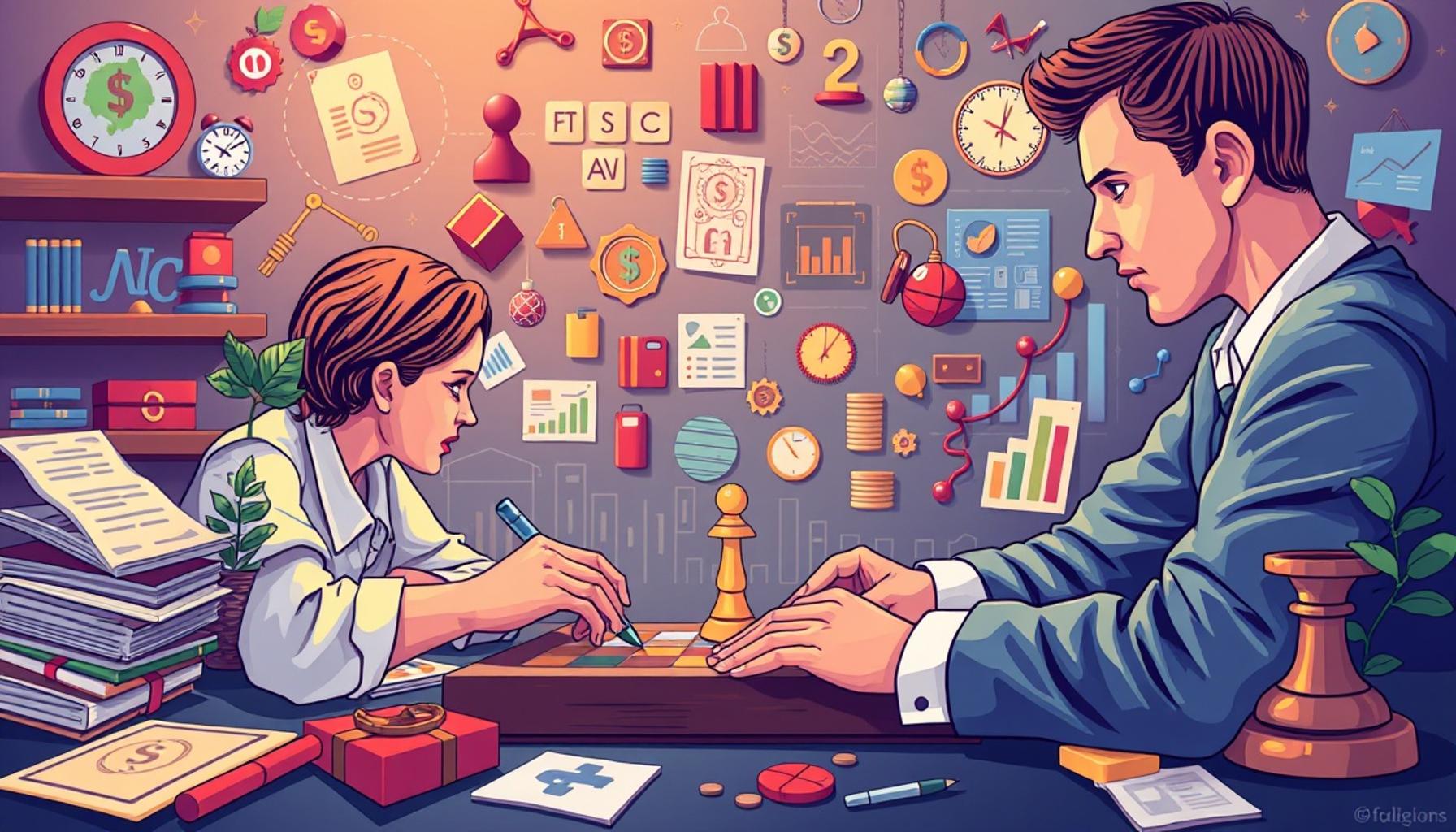
Developing Creative Thinking: How Strategy Games and Puzzles Enhance Innovation and Mental Agility

Exploring the Magic of Strategy Games and Puzzles
In today’s rapidly evolving society, where technological advancements define progress, the importance of creative thinking cannot be overstated. This skill serves as a foundation for innovation, problem-solving, and effective decision-making across various fields. One engaging avenue for enhancing creativity lies in the realm of strategy games and puzzles, activities that are not only entertaining but also mentally invigorating.
Incorporating these activities into one’s routine can yield significant cognitive benefits. Here are a few critical advantages that strategy games and puzzles offer:
- Problem-solving skills: Engaging in games that present complex challenges encourages players to devise plans, explore alternatives, and ultimately navigate obstacles effectively. For example, games like chess or Ludo compel players to think several steps ahead, fostering a tactical mindset.
- Critical thinking: Puzzles such as Sudoku or crosswords enhance analytical abilities as individuals assess various outcomes and methods to reach a solution. This analytical approach to problem-solving can translate to real-world scenarios, aiding in everything from business challenges to personal dilemmas.
- Collaboration: Multiplayer strategy games like Age of Empires or Call of Duty provide platforms for teamwork and communication. In Nigeria, where youth often engage in online gaming communities, these interactions not only build friendships but also enhance collective problem-solving skills.
- Focus and concentration: Many strategy games require sustained attention, which trains the mind to remain engaged over longer periods. By honing this concentration, players can improve their productivity in both academic and professional settings.
In Nigeria, the youth have increasingly embraced gaming technology, which has opened up avenues for cognitive development beyond mere recreation. Educational games that challenge players’ strategic and logical thinking are becoming more accessible, providing an opportunity for young minds to expand their creativity. Local initiatives, such as coding boot camps and game development workshops, leverage familiar elements of play to stimulate innovative thinking among participants.
Moreover, strategy games and puzzles can serve as effective tools for educators seeking to inspire creativity in classrooms. By incorporating game-based learning, teachers can create a stimulating environment where students are encouraged to think outside the box, collaborate with peers, and tackle complex problems in innovative ways.
Thus, as we immerse ourselves in the world of strategy games and puzzles, we uncover their profound impact on fostering creativity and inspiring innovation. Are you ready to elevate your thinking and explore the endless possibilities that these engaging activities offer?
LEARN MORE: This related article may interest you
The Cognitive Benefits of Engaging with Strategy Games
As we delve deeper into the world of strategy games and puzzles, it becomes evident that their cognitive benefits extend far beyond mere entertainment. By engaging in strategic gameplay, players can stimulate various mental faculties crucial for enhancing creative thinking. These games often revolve around intricate problem-solving scenarios that require players to think both critically and creatively, thus sharpening their mental agility.
One of the primary ways that strategy games facilitate cognitive development is through the enhancement of problem-solving skills. Players are often faced with complex scenarios that necessitate the formulation of innovative solutions. For instance, in games like chess, each move entails anticipating the opponent’s counter-moves, promoting a multi-dimensional thought process. This dynamic not only fosters a tactical mindset but also encourages the player to devise a holistic strategy, such as when formulating business plans or devising approaches to community challenges in Nigeria.
Furthermore, participating in puzzles such as Sudoku or logic riddles introduces an element of critical thinking to the mix. Puzzles require individuals to analyze data, recognize patterns, and develop methods to reach conclusions effectively. For instance, a player might engage with a complex Sudoku puzzle that challenges their numerical reasoning and abstract thinking abilities. Such activities can lead directly to improved performances in real-world tasks like academic exams or analytical job requirements where data interpretation is key.
Moreover, the interactive nature of strategy games nurtures essential skills in collaboration and teamwork. In multiplayer games, such as Call of Duty or Apex Legends, players must communicate effectively with teammates to strategize and achieve common goals. This dynamic fosters a sense of community and collaboration among young players in Nigeria, creating environments where shared creativity flourishes. Such experiences mirror real-life scenarios in corporate settings where team members must engage in dynamic problem-solving in a collective manner.
Additionally, the immersive design of strategy games sharpens focus and concentration. Players frequently find themselves immersed for hours, honing their ability to sustain attention over prolonged periods. This skill is directly transferable to academic and professional environments where prolonged concentration is necessary for productivity, such as studying for exams or engaging in lengthy projects.
As Nigeria’s youth venture into the realms of online gaming and educational platforms, they recognize the potential for these activities to not only entertain but also enrich their cognitive landscapes. Local initiatives in schools and communities are beginning to incorporate educational games that challenge students to think creatively, thereby addressing the need for innovation in the workforce.
In conclusion, strategy games and puzzles stand as vital pillars in the development of creative thinking and mental agility. By exploring the layers of these engaging activities, individuals not only entertain themselves but also embark on a journey to enhance their cognitive capabilities, paving the way for innovative solutions to complex challenges.
| Category | Details |
|---|---|
| Creative Problem Solving | Engaging with strategy games develops innovation skills by presenting players with complex scenarios requiring solutions. |
| Cognitive Flexibility | Players learn to adapt their strategies in real-time, enhancing their mental agility while navigating diverse challenges. |
The influence of strategy games and puzzles extends far beyond mere entertainment; they serve as powerful tools for developing critical thinking skills. As players immerse themselves in various scenarios, they encounter situations that prompt them to think outside the box and devise innovative solutions. This experience not only boosts their self-confidence but also fosters a culture of creativity that can be beneficial in both personal and professional settings.Moreover, the dynamic nature of these games requires players to continuously adjust their approaches, which contributes to improved cognitive flexibility. This ability to pivot quickly under pressure proves invaluable in fast-paced environments, where strategic thinking must align with swift decision-making. Consequently, this amalgamation of enhanced problem-solving and adaptable thinking positions individuals for success in numerous domains, paving the way for innovative breakthroughs and creative advancements. By understanding the significant connection between strategy games, puzzles, and cognitive improvement, individuals can better appreciate the value of these activities in nurturing their creative potential.
ADDITIONAL INSIGHTS: Expand your understanding here
Strategy Games as Catalysts for Innovative Mindsets
In addition to enhancing vital cognitive skills, strategy games serve as powerful catalysts for nurturing innovative mindsets. This transformative aspect is particularly crucial in a rapidly evolving societal backdrop, like Nigeria, where the demand for creative solutions to pressing problems is ever-increasing.
The capacity to envision multiple outcomes is a hallmark of innovative thinking, and games like StarCraft and Age of Empires require players to build, expand, and strategize in ways that challenge their preconceived notions. For instance, the player must anticipate future moves, adapt strategies based on competitors’ tactics, and innovate on existing plans to survive and succeed. This approach mirrors entrepreneurial scenarios where leaders must pivot their strategies amidst market fluctuations.
Moreover, engaging with puzzles that challenge conventional thinking—such as Rubik’s Cube or complex jigsaw puzzles—fuels creativity by urging players to reconsider their assumptions about how pieces fit together. This type of lateral thinking fosters an environment where innovative ideas flourish, particularly useful for young Nigerians looking to harness their creative potential in industries such as technology or fashion.
Encouraging Risk-Taking and Resilience
Participating in strategic gameplay also instills a willingness to embrace risk and develop resilience—a necessary trait in an unpredictable world. In games like Monopoly, players often face tough decisions that may lead to losses or gains based on their investment strategies. Embracing these risks cultivates a mindset that welcomes experimentation and learning from failure, two critical components of innovation in any field from business to science.
Moreover, the iterative nature of puzzles encourages players to revisit problems and devise new solutions upon encountering challenges. This persistence is essential in Nigeria’s dynamic job market, where youth must often rethink their approaches and explore uncharted territories of innovation.
The Social Dimension of Strategy Games
Furthermore, the social aspect of multiplayer strategy games can have profound effects on creative thinking. Engaging with diverse players from different backgrounds fosters an exchange of ideas and perspectives. This interaction can lead to the co-creation of solutions to complex problems, enhancing the collaborative spirit essential for innovation.
In Nigerian communities, platforms that facilitate social gameplay and encourage teamwork are sprouting through youth organizations and tech hubs. Initiatives such as game development workshops not only promote the gaming culture but also inspire participants to think creatively about potential applications of game design—be it in educational tools or community engagement projects.
- Team-Based Games: Games like Dota 2 or League of Legends require players to work closely with teammates, enhancing collaborative problem-solving skills.
- Creative Strategy Workshops: Many local tech hubs are beginning to host strategy game nights to encourage young people to explore creative strategies that can assist in real-world problem-solving.
As the digital landscape in Nigeria continues to evolve, the integration of strategy games and puzzles into educational curriculums can serve as an essential tool for developing the next generation of innovative thinkers. By harnessing the collective power of these engaging activities, youths can cultivate the critical skills needed to thrive in an increasingly complex world.
RECOMMENDED: Check out this similar article
Conclusion
In conclusion, the integration of strategy games and puzzles into daily life serves as a robust framework for developing creative thinking and fostering innovation. As highlighted throughout this article, these engaging activities not only sharpen cognitive skills but also encourage players to embrace risk, adapt to challenges, and collaborate effectively. With Nigeria’s growing need for innovative solutions across diverse sectors, the importance of nurturing an innovative mindset among the youth cannot be overstated.
The ability to navigate complex scenarios, as witnessed in strategy games such as StarCraft and Monopoly, reflects real-world entrepreneurial challenges, simultaneously conditioning individuals to welcome experimentation and learn from failures. Moreover, engaging with puzzles instills perseverance and lateral thinking, which are crucial in developing viable strategies and resolving issues creatively.
As communities in Nigeria increasingly embrace platforms that promote teamwork through gaming, we see the emergence of a new generation equipped with the necessary tools for creative problem-solving. By incorporating these practices into educational curriculums, young Nigerians can apply innovative tactics to real-life challenges, fostering a culture of ingenuity and resilience.
The potential of strategy games and puzzles as instruments for advancing mental agility and creativity is immense. As interest in these platforms continues to grow, it opens up exciting avenues for collaboration, social engagement, and ultimately, the innovative progress that will shape the future of Nigeria.